De Levende Natuur nummer 6 van 2025 (English summary)
Afbeelding
Another decline of water soldier in peatlands
Aquatic vegetation dominated by water soldier is characterised by a high diversity of macrofauna species, including the green hawker dragonfly. In addition, the species forms an important link in the terrestrialisation of peat pits and the succession of Dutch peatlands. After a sharp decline, water soldier showed a resurgence from the mid-1990s onwards. In recent years, however, nature managers are reporting new declines in this species. A study was conducted to determine whether this decline was observed nationwide and whether a chemical cause could be found that could explain the decline. The study included a survey among nature managers and a field campaign, in which 48 locations were sampled with healthy, declining and disappeared water soldier populations. While no single chemical cause of decline could be identified, healthy populations had higher CO₂ and iron concentrations and lower sulphur and ammonium concentrations. Some potential explanations of the decline could be carbon limitation due to alkalinisation, sulfide toxicity due to sulphate loading, ammonium overload due to eutrophication or biotic effects, such as herbivory, and disturbance by invasive crayfish. In the article, we also present a schematic overview of how the different potential causes influence water soldier in different stages of population development.
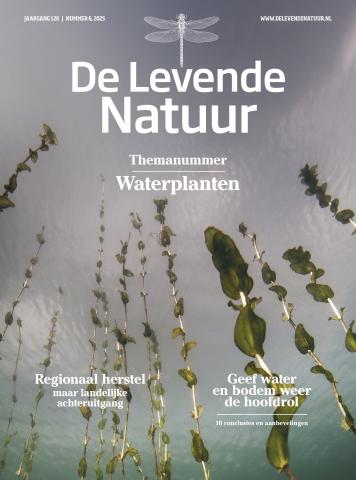
Aquatic plants in the Netherlands: regional recovery but national decline
In this paper, we provide an overview of trends in the occurrence of aquatic macrophyte species within 1 × 1 km grid cells over the past two decades in The Netherlands. During this period, many species associated with nutrient-poor habitats (such as heathland pools) have increased. This rise can be attributed to the decline in atmospheric sulphur and (to a lesser extent) nitrogen deposition, combined with the removal of nutrient-rich sediments in these pools. In contrast, numerous species characteristic of (moderately) nutrient-rich conditions have shown a strong decline over the same period. This decrease is particularly striking, given that nutrient concentrations in many Dutch water bodies have simultaneously decreased. In this paper, we briefly discuss potential causes underlying this decline.
Give water and soil back their leading role
For the completely revised and expanded edition of the book Water Plants and Water Quality, as the report Landscape, Water Plants and Water Quality as well, many locations throughout the Netherlands were sampled. This article discusses the ten most import conclusions and recommendations. The most important one: if we want to improve the ecological quality of Dutch surface water, water and aquatic soil must become the guiding factors again.
Five military air bases meet the Basic Nature Quality standard
Recently the concept of Basic Nature Quality is developed in the Netherlands. The main aim of this concept is to keep common species common and wide-spread. The Royal Netherlands Air Force made an inventory of butterflies, dragonflies and bumblebees from April-September 2023-2024 on eight airbases using 15 minute-counts. All defined species were scored to measure the Basic Nature Quality and find out which pressure factors were important (based on presence/absence of species sensitive for specific pressure factors). From the results we conclude that common species are still common on five out of eight military airbases. Drought is the main pressure on these military airbases.